
Estate sales vs. garage sales—what’s actually the difference? If you’ve ever passed an estate sale sign and assumed it was simply a bigger garage sale, you’re definitely not alone.
Both can be fun places to shop secondhand. Both can lead to great bargains, too. But once you step inside a professionally organized estate sale, you quickly realize you’re getting a very different experience.
Instead of browsing a few tables in a driveway, you may have an entire home to explore. There could be furniture in the living room, china in the dining room, vintage clothing upstairs, and tools waiting in the garage.
And that’s exactly what makes estate sale shopping so much fun.
Estate Sales vs. Garage Sales: Where the Difference Starts
Garage sales usually happen when someone wants to clear out things they no longer need. A family might gather clothes, toys, kitchenware, decorations, and other odds and ends and put them out for a weekend sale.
Estate sales generally involve much more of the household.
They often happen when someone is downsizing, moving, or settling an estate. Because of that, shoppers may get the opportunity to explore belongings collected over many years—or even generations.
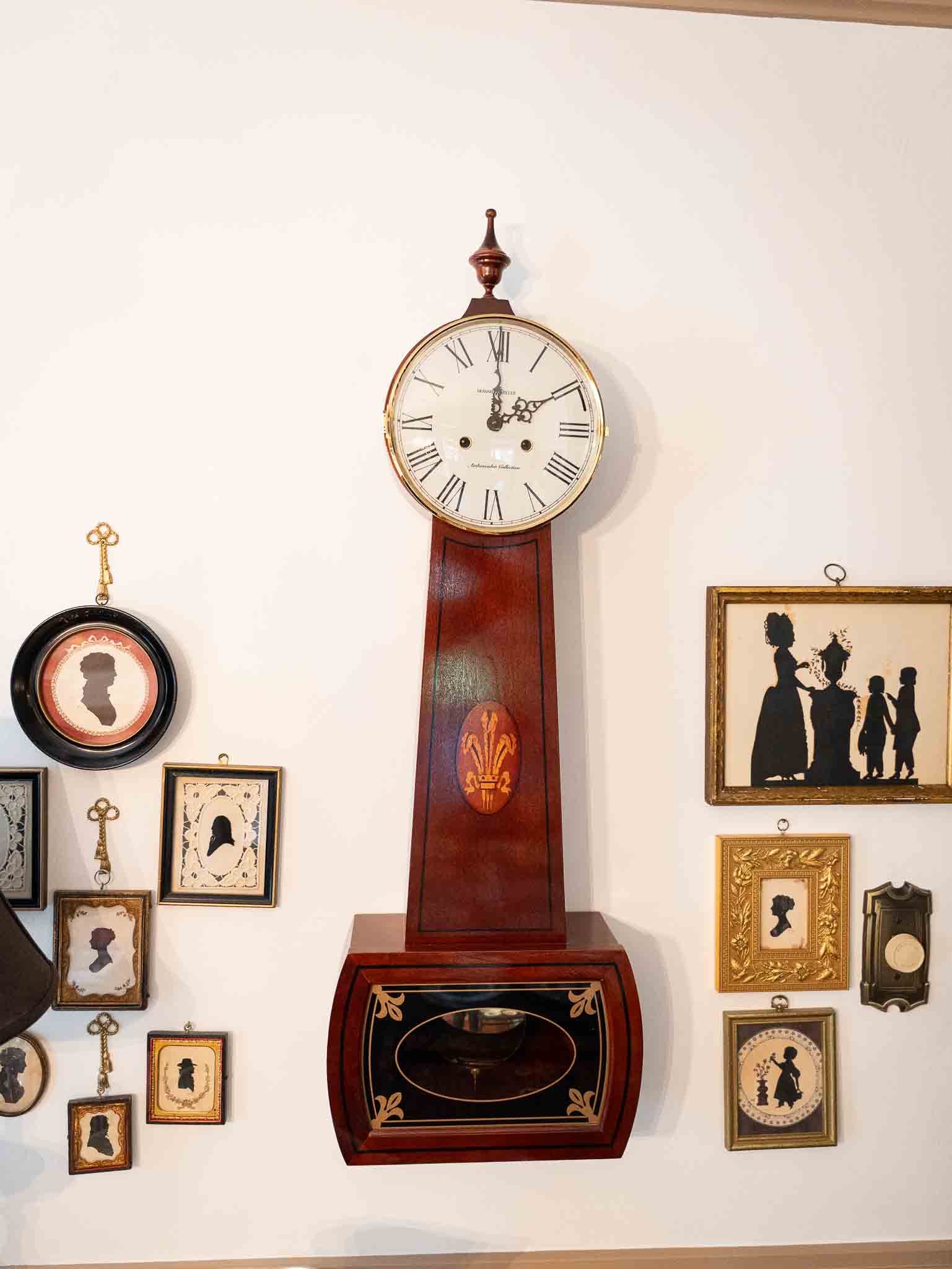
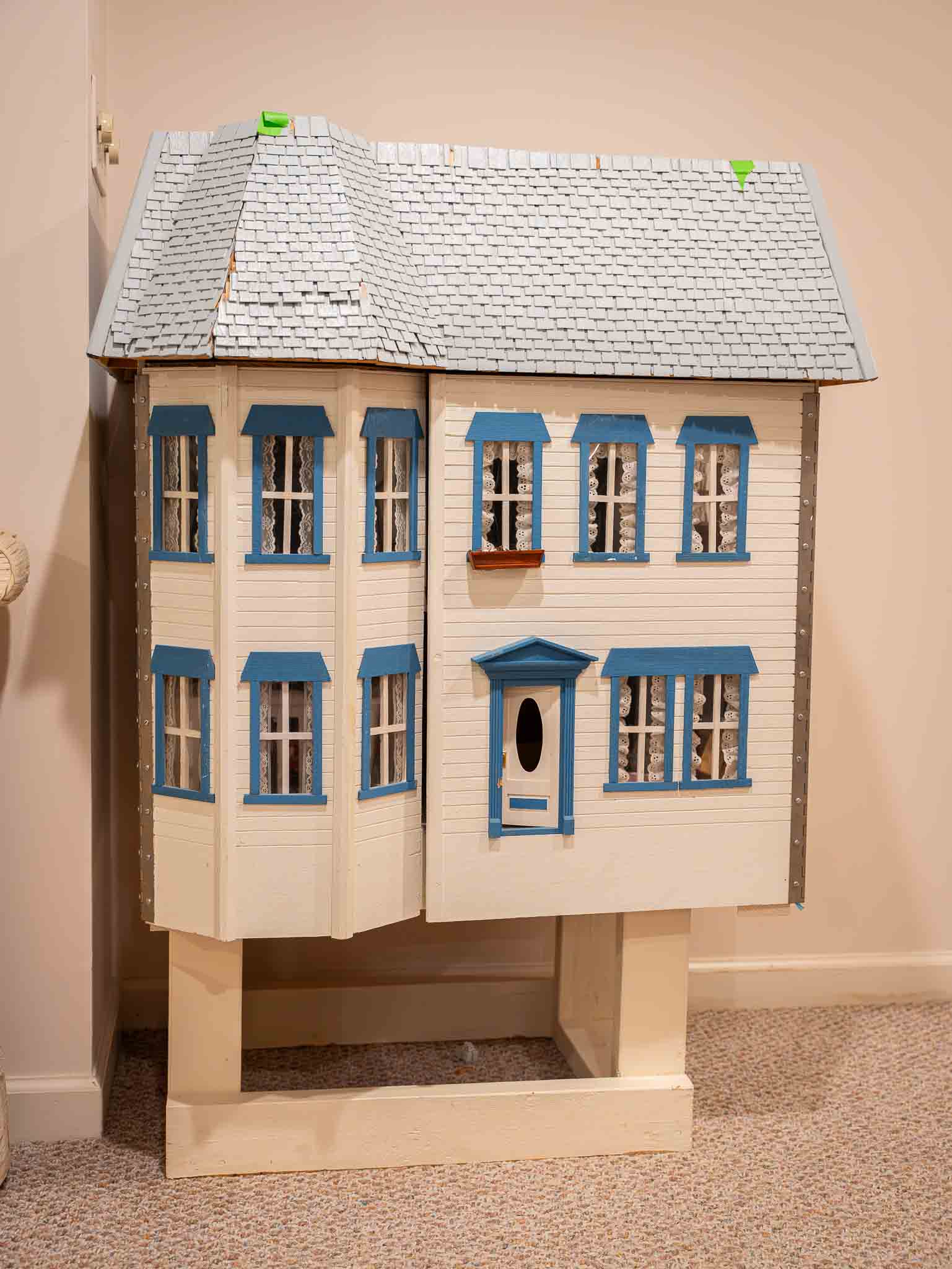
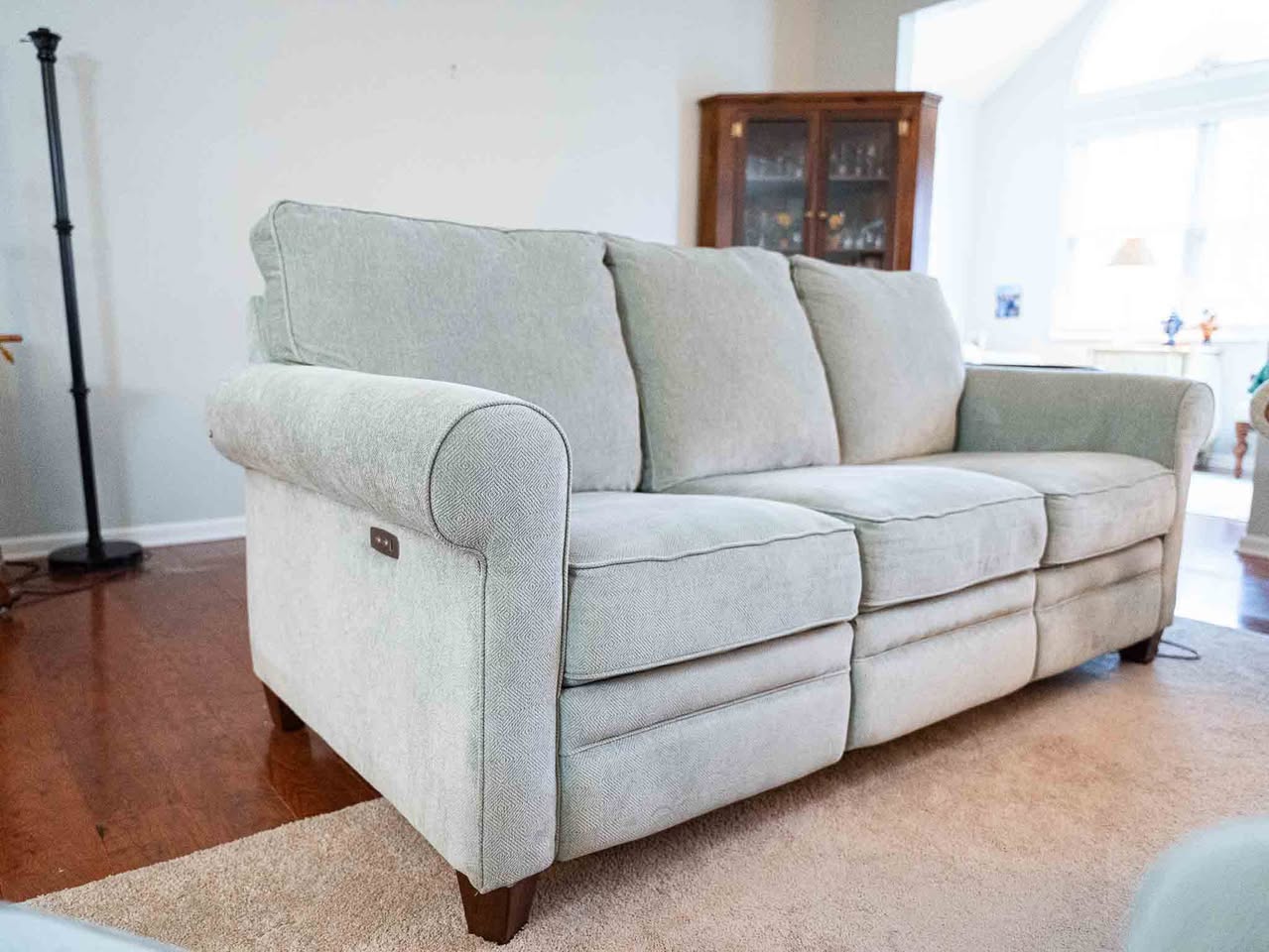
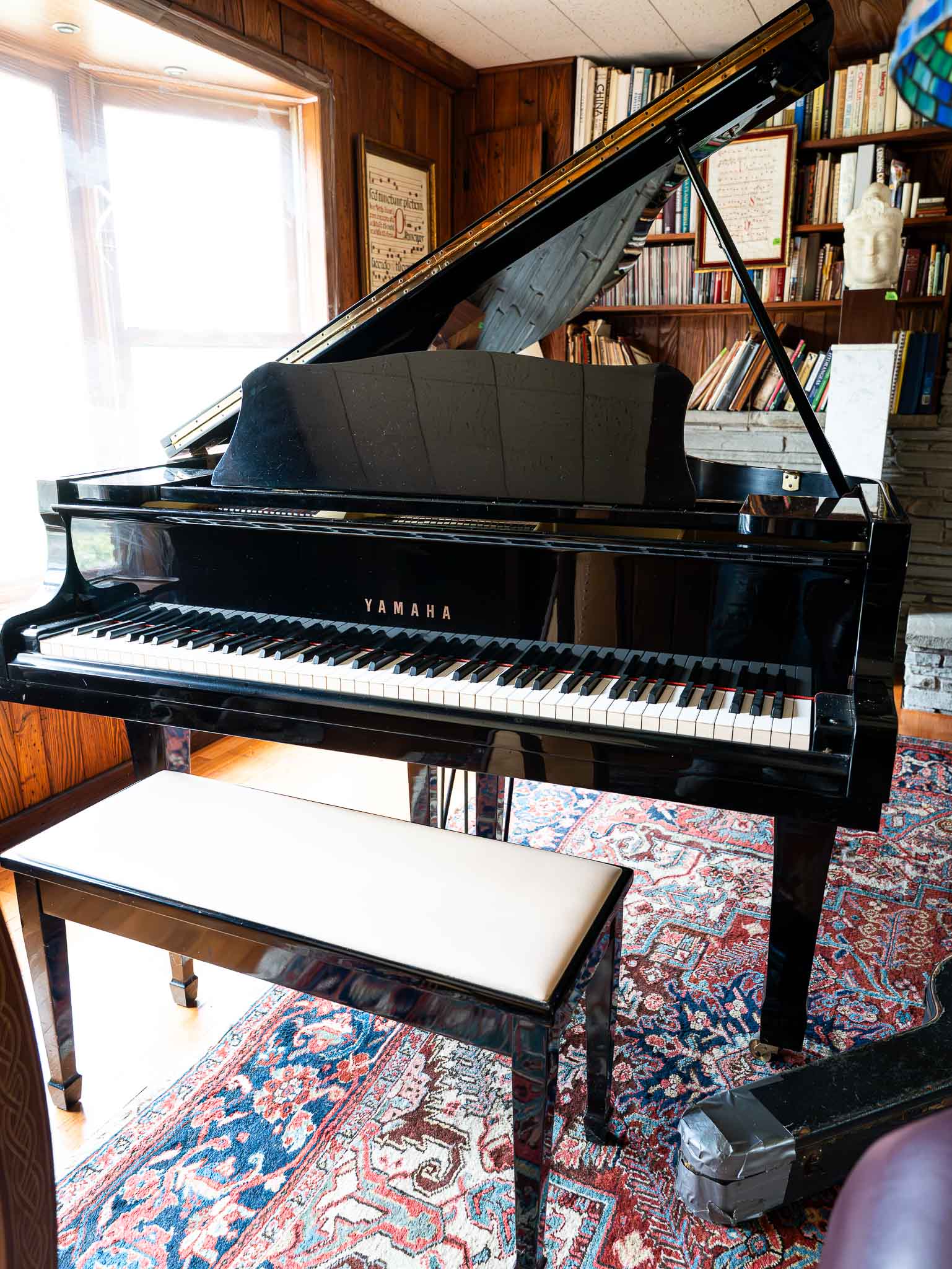
That can mean everything from everyday kitchenware to quality furniture, artwork, jewelry, antiques, tools, books, and collectibles.
You aren’t simply looking through someone’s unwanted items. You’re exploring a home full of things that once had a purpose and may still have plenty of life left in them.
Why Estate Sale Shopping Feels Different
There’s something about walking into an estate sale that online shopping simply can’t recreate.
You might enter looking for a small table and spot a vintage lamp across the room. Then you notice a cabinet full of glassware. Before you know it, you’re downstairs looking through old tools and wondering what might be hiding in the garage.
That’s part of the experience.
No two homes are alike, which means no two estate sales are alike either.
One sale might have traditional furniture and fine china. The next could be filled with mid-century pieces, records, vintage clothing, artwork, or an impressive workshop.
Even if you don’t buy anything, exploring can be half the fun.
A More Organized Way to Treasure Hunt
One advantage of a professionally managed estate sale is that someone has already done much of the organizing.
Before opening day, an estate sale team sorts through the home, researches items, sets prices, and creates displays that make everything easier to browse.
That matters when a home contains hundreds—or sometimes thousands—of items.
Instead of digging through random boxes, shoppers can move from room to room and actually see what’s available.
Of course, there’s still plenty of treasure hunting involved. You just get to do it in a more organized setting.
What Can You Actually Find at an Estate Sale?
This might be the best question of all.
The answer is: almost anything.
We’ve seen shoppers come looking for furniture and leave excited about vintage Christmas decorations. Others arrive for collectibles and discover beautiful cookware or artwork they weren’t expecting to find.
An estate sale might include antique furniture, sterling silver, china, crystal, jewelry, vintage clothing, records, books, tools, electronics, garden décor, rugs, kitchenware, and everyday household essentials.
Sometimes you’ll even find items that are difficult to buy new—or pieces made with a level of craftsmanship that’s harder to find today.
That’s why it’s worth looking everywhere.
Yes, even the basement.
And definitely the garage.
Estate Sale Pricing vs. Garage Sale Bargains
Price is another area where the two types of sales can differ.
At a garage sale, the main goal is often simple: clear things out. Someone might put a few dollars on an item because they’re ready to see it go.
Estate sale pricing usually involves more research. Brand, age, condition, rarity, demand, and comparable sales may all play a role.
That doesn’t mean everything at an estate sale is expensive. Far from it.
You can still find affordable kitchenware, lamps, linens, garden supplies, furniture, and practical household items. At the same time, you may come across antiques, jewelry, designer furniture, or collectibles that need more research before receiving a price.
Why Estate Sale Shopping Feels Like a Treasure Hunt
When comparing estate sales vs. garage sales, pricing is another important difference.
Garage sale prices are often designed to move things quickly. At an estate sale, pricing usually involves more research.
The team may consider the item’s maker, age, condition, rarity, current demand, and comparable sales before determining a fair price.
That doesn’t mean estate sales are only for people shopping for expensive antiques.
Quite the opposite.
Some of the best estate sale purchases are practical things: cookware, lamps, linens, garden tools, small appliances, books, storage pieces, and furniture.
The difference is that you’re shopping across an entire range of items. A $5 kitchen find might sit only a few rooms away from a collectible that’s worth considerably more.
The Thrill of Finding Something You Weren’t Looking For
Regular estate sale shoppers understand this feeling.
You walk in thinking, I’m just going to look.
Then something catches your eye.
Maybe it’s a piece of furniture that fits an empty corner perfectly. Maybe it’s an old Pyrex bowl that reminds you of your grandmother’s kitchen. Or perhaps it’s a collectible you’ve been searching for without expecting to find it that morning.
Those unexpected discoveries are what keep people coming back.
And sometimes the best find isn’t valuable in the traditional sense. It’s valuable because you genuinely like it.
Giving Good Things Another Life
There’s another reason we love estate sales: good things get to keep being useful.
A dining table that hosted family dinners for decades can become the center of another family’s home. Vintage glassware can come out of a cabinet and be enjoyed again. Tools can return to a workshop instead of sitting unused.
Even small everyday objects get another chance.
Estate sales connect people who no longer need certain belongings with people who genuinely want them. In a world where it’s incredibly easy to buy something new, there’s something satisfying about finding something that already has character and giving it another chapter.
Estate Sales vs. Garage Sales: Which Should You Try?
There’s a place for both.
If you’re looking for inexpensive kids’ clothes, toys, or a few household odds and ends, stopping at a garage sale can be worthwhile.
But if you enjoy the hunt, an estate sale gives you much more to explore.
You can walk through an entire home, discover quality pieces, find practical bargains, learn about unfamiliar collectibles, and occasionally stumble across something truly special.
So, when you’re deciding between estate sales vs. garage sales, don’t assume they’re the same experience.
Come to an estate sale with a little time to explore. Look in the rooms you might normally skip. Check the tables carefully. Take another look through the garage.
Most importantly, don’t feel like you need to know exactly what you’re looking for before you arrive.
Sometimes the best part of an estate sale is finding the thing you didn’t know you wanted.
Come See What You Can Find
At Allay Estate Sales, every home brings a completely different collection through the doors.
That’s why we love welcoming longtime collectors and first-time estate sale shoppers alike. You don’t need to be an antique expert. You don’t need to know every brand or maker. You don’t even need a shopping list.
Just come curious.
Browse the furniture. Look through the collectibles. Check out the kitchen. Explore the garage.
Your next favorite find might be sitting in a home you haven’t walked into yet.